
My house is from the 1980s. Could it have a slab leak?
Yes. A slab can hide a leaking line in a house of any age, newer ones included. A climbing water bill or a warm spot underfoot means it is time to ask about leak detection.
Plumbers of Colorado takes Aurora calls about leaks, slow drains, worn fixtures and water heaters at the end of their life. Say what is going on at your place and we work out what to do next.
Aurora’s typical home was built in 1985, and nearly 4 in every 10 of its homes date from before 1980. A house from the 1980s or after has had decades of hot water and daily wear.
In a house built in the 1980s or 1990s, the tank may be original or a replacement. Read the serial number on its label and the water heater age by serial number tool converts that code to a date. With the age known, we compare repair with replacement.
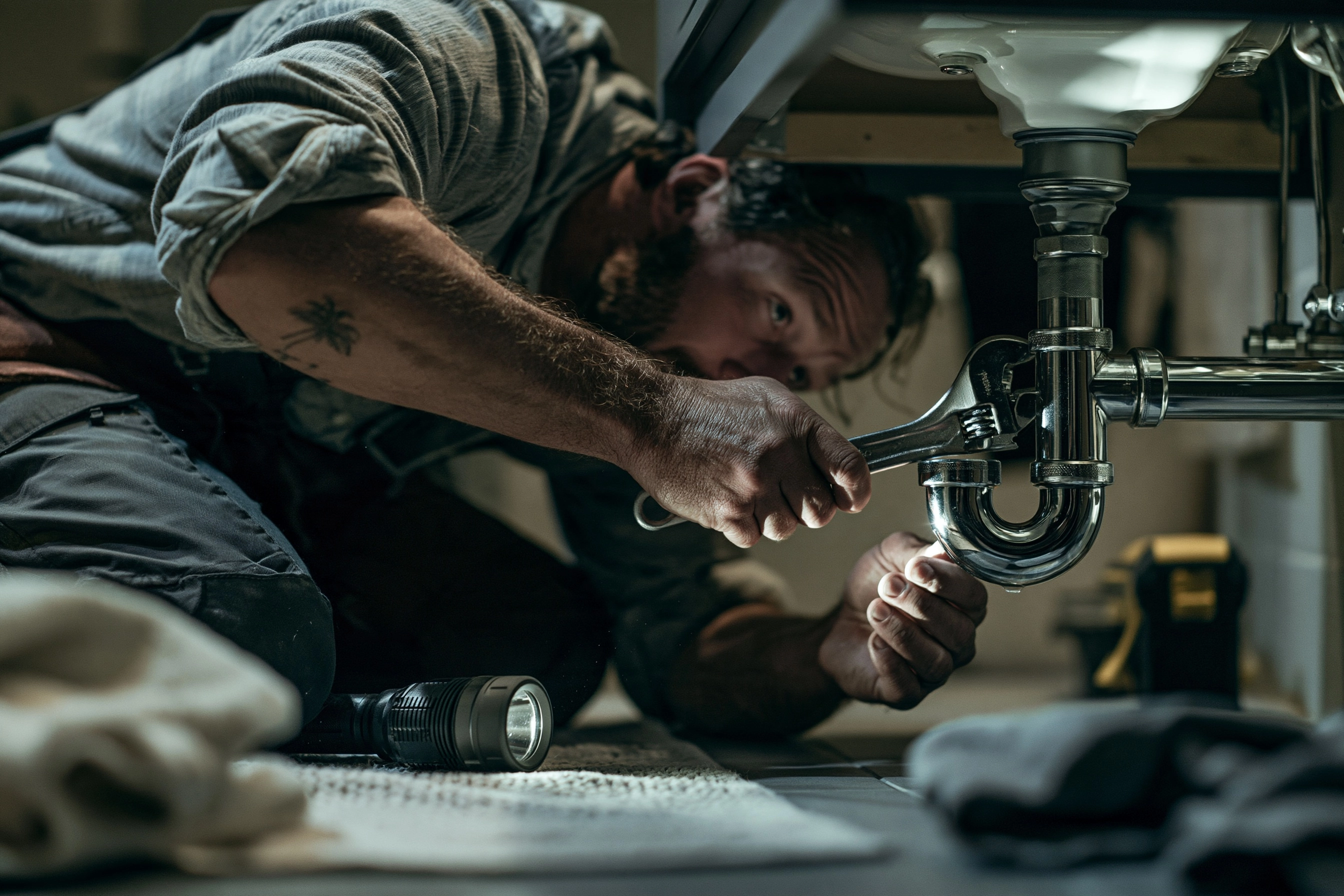
Below the sink there is a trap, a pair of supply hoses and a pair of shutoff valves. They fail without warning. A dark stain on the cabinet floor is the moment for fixture repair, while the wood is still firm.
Aurora’s low reached 32°F or colder on about 149 days a year across the last ten, and January lows average 18°F. On the coldest of those nights a pipe in a garage, a crawl space or an outside wall can freeze.
Aurora winters make the pipe freeze risk checker worth a minute of your time. A pipe that bursts once the ice thaws turns into a call for emergency plumbing.
Yes. A slab can hide a leaking line in a house of any age, newer ones included. A climbing water bill or a warm spot underfoot means it is time to ask about leak detection.
Yes. Pull them off ahead of the first hard freeze, close the inside shutoff on each spigot if it has one and let the pipe behind it empty.
Aurora callers get a free, personalized quote after a short chat about what drips, clogs or runs cold and how old the house is. No obligation attaches to it.
Call (855) 321-3426